


Duane 'Keffe D' Davis Found Guilty in Murder of Tupac Shakur — 30 Years After Rapper Was Gunned Down in Vegas

A verdict was reached in the case of the murder of Tupac Shakur.

Aug. 31 2026, Published 8:52 p.m. ET


Duane "Keffe D" Davis has been found guilty in the murder of , 30 years after the legendary rapper was gunned down in Las Vegas.
Davis, 63, learned his fate in a Las Vegas courtroom on Monday after jurors deliberated for less than three hours following a roughly two-week trial.

Verdict Reached
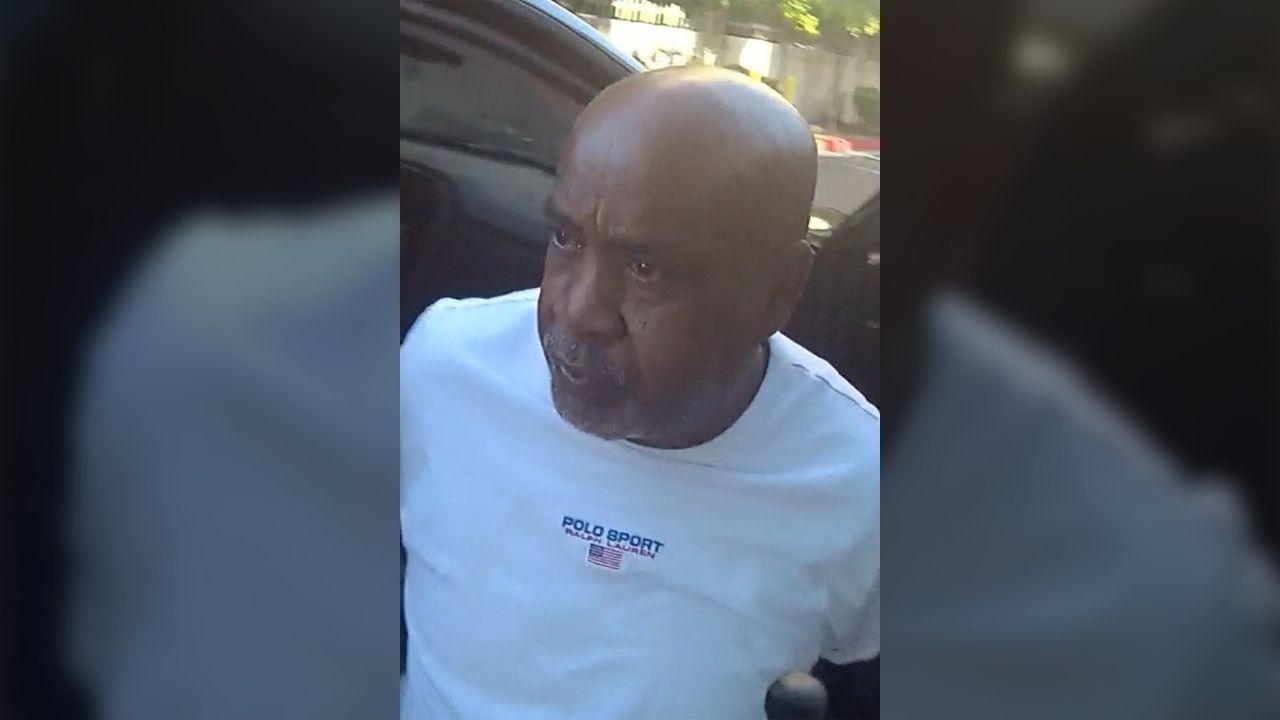
Davis was accused of procuring the gun in Shakur's shooting.
Duane "Keefe D." Davis was charged with open murder with a deadly weapon with a gang enhancement. Prosecutors alleged Davis was a key organizer behind the shooting and murder of rapper Shakur in Las Vegas.
Prosecutors alleged while Davis did not pull the trigger, he procured the murder weapon and helped plan a hit.
Shakur was shot on September 7, 1996, while in a vehicle with his friend, Suge Knight. A white Cadillac pulled up alongside their vehicle on the road and rang out a series of gunshots. The bullets clipped Knight while badly injuring Shakur.
The rapper was taken to the hospital and on September 13, 1996.
At the time, police scrambled to discover who was in the vehicle, the murder weapon and the exact circumstances leading up to the shooting. They immediately suspected the incident was gang-related in nature.
However, the case was cold for 30 years until Davis was arrested on September 29, 2023, in Henderson, Nevada.
Police spent the time leading up to it conducting a search of the former gangster's home.
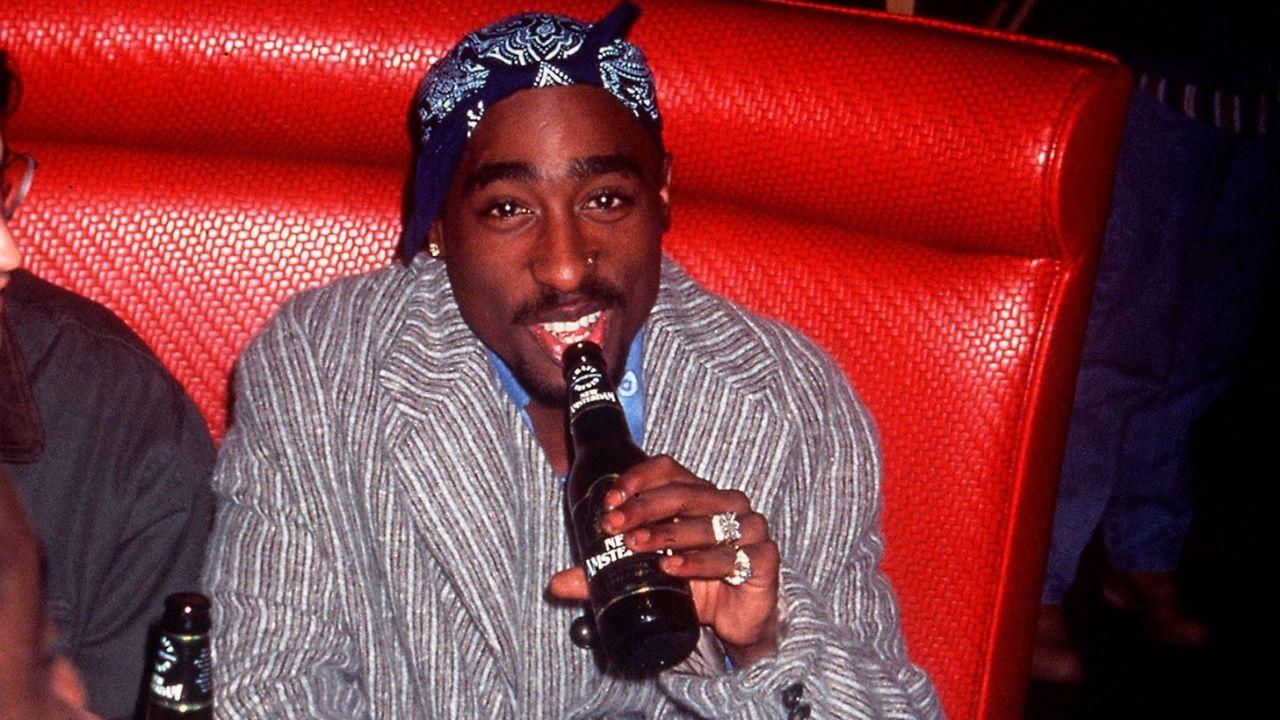
Shakur died in 1996.
Prosecutors presented their case across eight days of testimony, including witnesses to the shooting and detectives on the case.
Additionally, they included confessions made by Davis in his own book, Compton Street Legend, and during police interviews. The conversations with police were previously made under a proffer agreement, which the judge ruled void after Davis spoke to the media with similar claims.
While the defense argued the statements were made under pressure and for financial purposes, the judge still allowed their inclusion in the trial. Davis claimed he made the statements purely for the sake of the financial payout and not to offer actual truth.
The conversation given under a proffer agreement with police was admissible because he spoke with the media, one lawyer explained to Radar.
"If you get a confidential proffer deal, you keep your mouth shut," Peter S. Christiansen, founder of Christiansen Trial Lawyers, said. "The second Keefe D went on talk shows and wrote a tell-all book repeating those claims, he blew up his own protection. You can’t claim secrecy on something you sold for profit."
"I sang because they promised I would not be prosecuted," Davis wrote in his book Compton Street Legend.
During the trial, Davis did not testify, which was his right. Prosecutors, as a result, relied heavily on those proffer-made confessions and his memoir.
Diddy Faces Speculation During Trial

Never Miss an

Daily updates from the heart of Hollywood, right to your inbox
By entering your email and clicking Sign Up, you’re agreeing to let us send you customized marketing messages about us and our advertising partners. You are also agreeing to our Terms of Service and Privacy Policy.
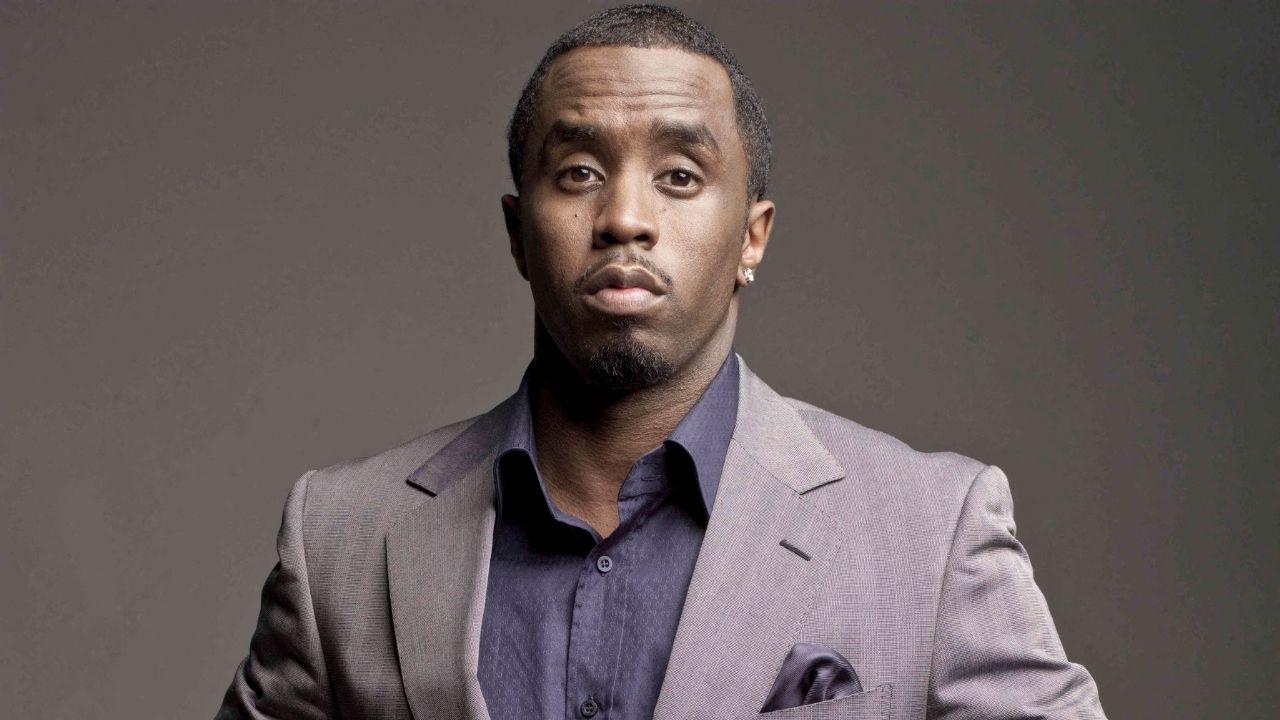
Sean "P. Diddy" Combs was namedropped during the trial.
Sean "P. Diddy" Combs was also dragged into the theories offered by prosecutors. Based on testimony from detectives, Davis and other individuals allegedly claimed Combs was the one who ordered a hit on Shakur.
However, Combs has repeatedly denied these allegations.
Combs, riddled with his own legal issues, could face a major issue.
The mention of his name could potentially renew interest and investigation into his potential involvement.
"A Davis conviction could renew pressure to investigate Combs, but it would not prove Combs was involved," criminal defense attorney Michael La Fratta told Radar.
So, while eyes are peering into Combs potential involvement, there's no confirmation any sort of charges will be brought against him.
